
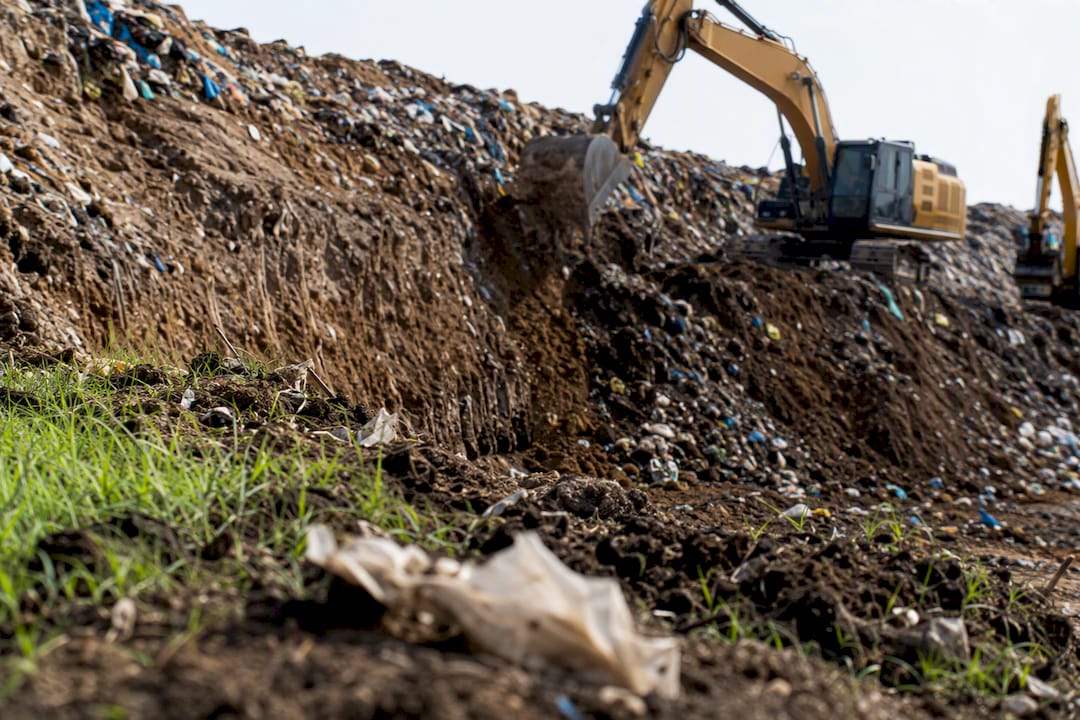
No, compostable bags don’t reliably break down in landfill, and burying them can do more harm than good. Landfills lack the oxygen, heat, and microbial activity that compostable plastics need to decompose properly, so instead of composting, these bags degrade anaerobically and can release methane as they slowly break apart over years or even decades. That single fact undercuts a lot of well-meaning purchasing decisions.
The science backs this up. Compostable plastics rely on industrial composting facilities that hit sustained temperatures of 55–70°C, something no landfill provides. Without that heat, materials certified to Australian Standards AS 4736 or AS 5810 behave more like ordinary plastic once buried, and can take an extremely long time to break down while producing methane in the process.
What to do right now:
- Check whether your council accepts compostable liners in the food organics/garden organics (FOGO) bin before buying any.
- Favour reusable containers or paper liners over single-use compostable bags where composting isn’t guaranteed.
- Never assume “compostable” on a label means it will vanish in a landfill bin.
Key Takeaways
Compostable bags need industrial heat, oxygen, and active microbes to break down properly, and landfill provides none of these, so burial often produces methane instead of compost.
| Point | Details |
|---|---|
| Landfill isn’t composting | Compaction and low oxygen force anaerobic breakdown, generating methane instead of finished compost. |
| Certification matters | Check for AS 4736 (industrial) or AS 5810 (home) and the seedling logo before assuming a bag will break down. |
| Polymers vary widely | TPS blends can hit 95% decomposition in six weeks industrially, while some PLA blends lag behind 90%. |
| Check before you bin | Confirm your council’s FOGO rules before using any compostable liner, since contamination causes real processing issues. |
| Reusables reduce the guesswork | The Zero Store’s resealable bags, cling wrap, and cloths remove the need for composting infrastructure altogether. |
Table of Contents
- How landfills differ from industrial composting
- Why compostable bags need specific composting conditions
- Environmental consequences when compostables go to landfill
- What to do instead: practical steps for disposal
- How to verify labels and avoid greenwashing
- How The Zero Store approaches compostable products
- Practical alternatives you can buy from The Zero Store
- Sources
How landfills differ from industrial composting
A landfill is not a giant compost heap. It’s an engineered structure designed to contain waste, not break it down efficiently. Once rubbish goes in, it gets compacted under tonnes of material, which squeezes out the oxygen that aerobic decomposition depends on. Moisture levels swing unpredictably, and there’s no mechanism to maintain the steady, high heat that industrial composting relies on.
That absence of oxygen forces waste into anaerobic digestion instead of composting. Microbes still break material down, but the by-product is methane rather than the nutrient-rich compost you’d get from a certified facility. This is the mechanism explained in detail by BiopakWell’s breakdown of landfill conditions, which notes that compostable bags need oxygen, sustained heat, and active microbial communities that landfills simply don’t offer.
The timeframes tell the real story:
- Certified industrial composting: 90 to 180 days under controlled heat and airflow.
- Landfill burial: years to decades, with some compostable plastics persisting for more than a century.
- Home composting: variable and often incomplete, since backyard piles rarely reach industrial temperatures.
Compostable plastics buried in landfill can generate methane, a potent greenhouse gas with significantly higher warming potential than carbon dioxide over a 100-year period, according to Clean Up Australia. That single figure is why “it’ll break down eventually” isn’t good enough as an environmental argument.
Why compostable bags need specific composting conditions
Not all compostable materials behave the same way, which is exactly why certification exists. Most compostable bags on Australian shelves use one of a handful of bio-polymers, and their breakdown speed varies more than most shoppers realise.
- PLA (polylactic acid): derived from plant starches, but slow to break down without sustained industrial heat.
- PBAT: often blended with PLA to improve flexibility and compostability performance.
- TPS (thermoplastic starch): tends to degrade fastest under industrial conditions.
A peer-reviewed decomposition study tested this directly: under industrial composting, some TPS blend bags achieved very high decomposition within several weeks, while certain PLA blends decomposed less completely in the same timeframe. That’s a meaningful gap when you’re relying on a label to make an environmental promise.
This is where certification does the heavy lifting. AS 4736 covers industrial compostability, while AS 5810 covers home compostability, and Australia has no mandatory biodegradability standard outside these voluntary marks. Products that pass carry the official seedling logo, but lab results in a controlled 90 to 180 day cycle don’t always match what happens in a real, variably-run facility.
Environmental consequences when compostables go to landfill
The methane problem is the headline risk, but it’s not the only one. As compostable plastics fragment slowly in anaerobic conditions, they can break into smaller pieces without ever fully mineralising, raising the same microplastic concerns associated with conventional plastic waste. Wildlife and soil organisms don’t distinguish between a “compostable” fragment and any other kind.
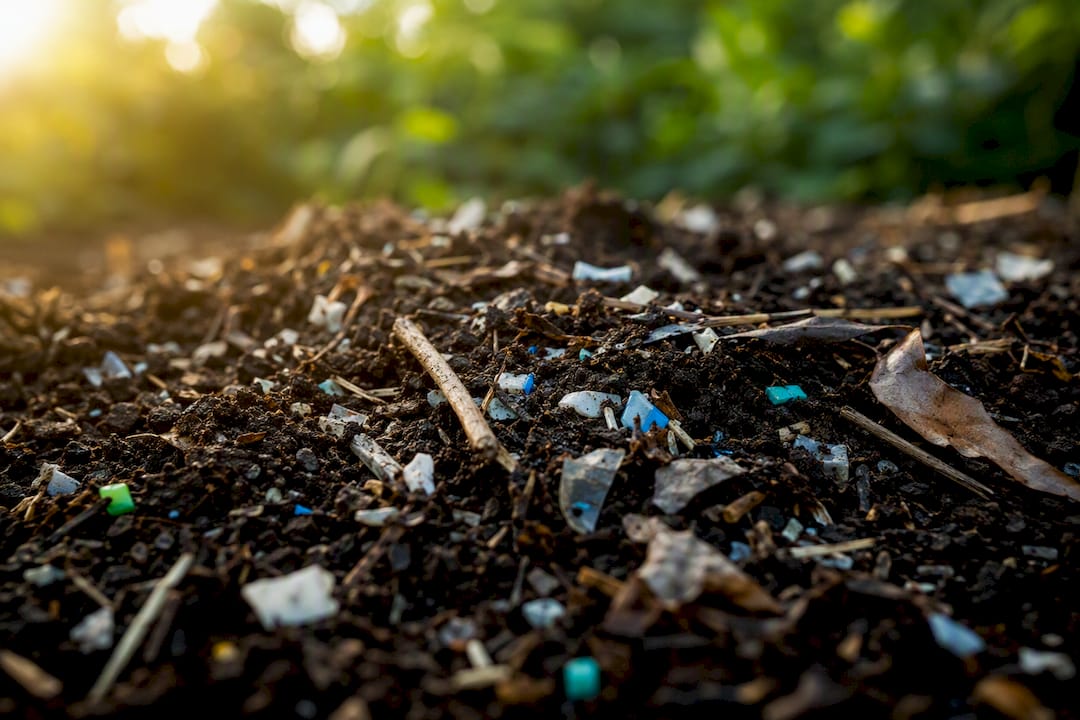
Methane carries over 25 times the global warming potential of CO2, and every compostable bag that ends up buried instead of processed adds to that anaerobic emissions load rather than avoiding it, as Clean Up Australia points out.
There’s also a quieter, more immediate problem: contamination. Compostable bags mixed into the wrong stream cause real operational headaches.
- Facilities often manually remove opaque compostable bags because they obscure contents, and that removal frequently sends both bag and food waste to landfill, according to CompostConnect.
- Mis-sorted compostables in recycling bins can force entire batches to be rejected.
- Some councils have banned compostable liners from organics collection altogether because of repeated processing issues.
What to do instead: practical steps for disposal
Getting this right isn’t complicated, but it does require checking your local system before you buy anything labelled compostable. Here’s the order to work through:
- Check your council’s FOGO or organics guidelines first. Acceptance varies significantly between local government areas, and using an unaccepted liner can contaminate an entire collection.
- Use a paper liner or freeze your scraps instead. Waste managers increasingly recommend paper liners or simply freezing food waste in a reusable container until bin day, since this avoids the contamination risk altogether, per CompostConnect’s disposal guidance.
- Try no liner at all. Many caddies work fine unlined if you rinse them regularly.
- Only use certified home-compostable bags (AS 5810) if your council confirms acceptance, and for other disposal options consider eco-friendly methods for moving box disposal, which provide practical advice on managing waste responsibly, and never assume an industrially certified bag will work in a backyard bin.
- For pet waste and nappies, use general waste, not the organics bin, regardless of what the bag’s packaging implies.
Pro Tip: Ring your council’s waste line directly rather than trusting packaging claims. FOGO acceptance rules change, and what worked two years ago in your area might not apply now.
If your council does accept compostable liners, prepping them properly (tying securely, avoiding excess moisture) makes a real difference to how cleanly they process at the facility.
How to verify labels and avoid greenwashing
The seedling logo is the clearest signal on Australian shelves. It confirms a product meets either AS 4736 (industrial) or AS 5810 (home) compostability, and those are two genuinely different standards. A bag certified for industrial use is not guaranteed to break down in your backyard bin.
Watch for these warning signs before buying:
- Vague terms like “biodegradable” with no standard number attached.
- No mention of AS 4736 or AS 5810 anywhere on the packaging.
- Marketing that promises breakdown “in weeks” without specifying the conditions required.
- No guidance on whether your local FOGO service actually accepts the product.
Before purchasing, check the product’s own spec sheet and confirm with your local processor. A guide on spotting greenwashing in compostable products walks through the exact red flags worth checking, and comparing home compostable versus industrial certification clears up most of the confusion shoppers run into at the supermarket shelf.
How The Zero Store approaches compostable products
The Zero Store sells cling wrap, resealable food storage bags, cleaning wipes, baby wipes, makeup wipes, reusable cloths, produce bags, and puppy and nappy waste bags, all made from bio-polymers such as PLA and PBAT. Every product page lists the specific certification behind it, not just a generic “eco-friendly” claim.
- Product specs and certification marks appear directly on each listing so you can check AS 4736 or AS 5810 status before buying.
- Compostable formats are recommended where a genuine end-of-life pathway exists, such as certified home compost or accepted FOGO collection.
- For applications like everyday food storage or cleaning where councils don’t reliably accept compostable waste, reusable alternatives are the honest recommendation.
That’s a deliberate trade-off: single-use compostables have a place, but only when the infrastructure to process them actually exists in your area.
A note on getting this right
Reusables win most of the time. Compostable materials only deliver on their promise when there’s a real industrial facility or a genuinely accepting FOGO service standing behind them, and in most Australian suburbs, that’s still patchy. Before buying anything labelled compostable, check your council’s rules first. The label alone tells you almost nothing about what will actually happen to that bag.
— Damien
Practical alternatives you can buy from The Zero Store
If a compostable bag needs infrastructure you can’t guarantee access to, the simplest fix is skipping the single-use step altogether. The Zero Store’s Plastic-Free Cling Wrap replaces cling film for food storage without relying on a council collection system to work as promised.
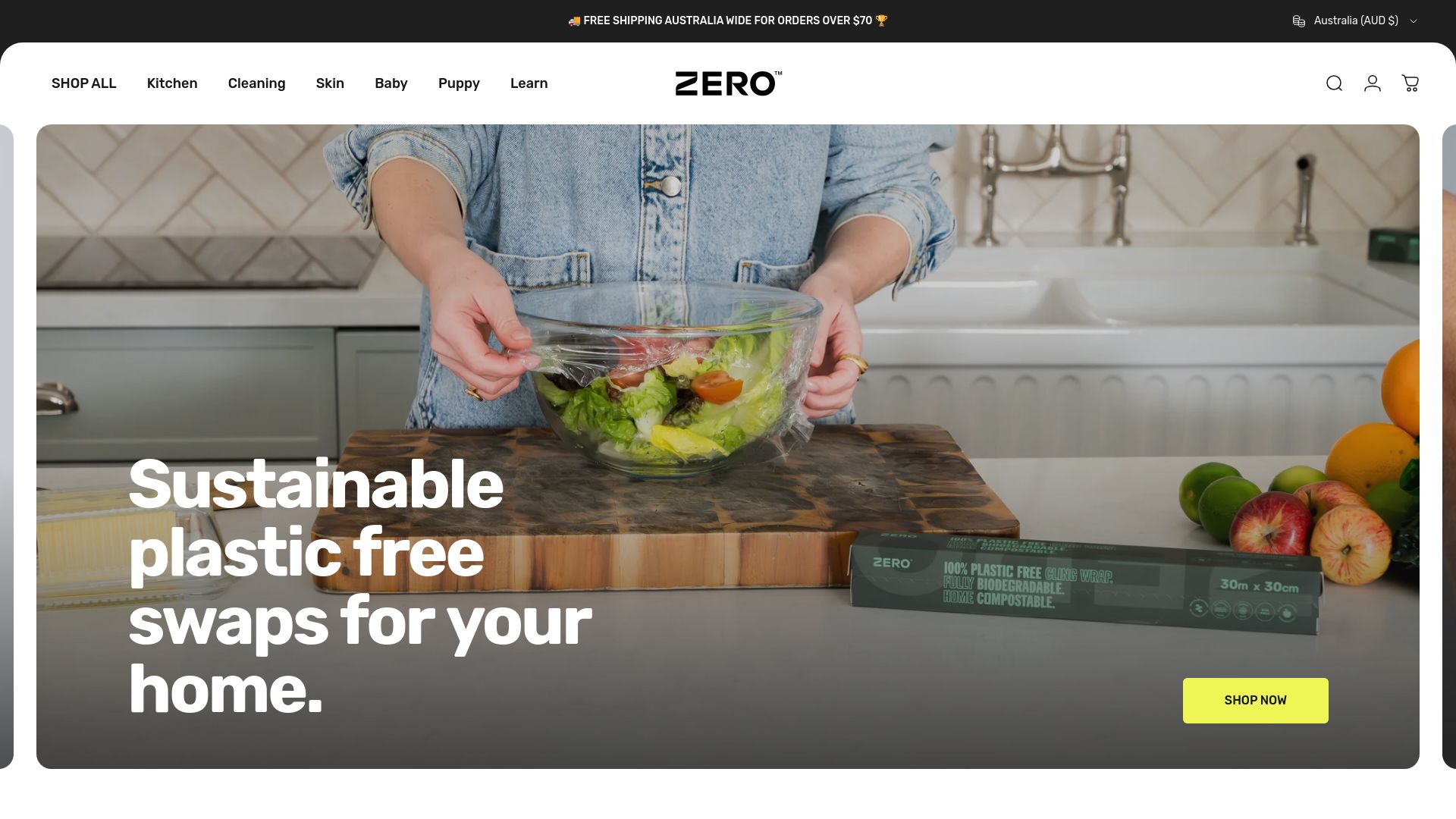
For sandwiches, snacks, and pantry storage, Resealable Food Storage Bags wash and reuse hundreds of times, cutting out the single-use question entirely. Around the house, Reusable Cleaning Cloths and Cleaning Wipes handle everyday mess without adding to landfill volume, while Plastic Free Produce Bags work for fruit and veg shopping. Dog owners can reach for a Puppy Waste Bag designed for general waste disposal, and parents can check Baby Wipes for a plastic-free option that doesn’t hinge on composting infrastructure at all.
Browse the full range and find the swap that fits your household at The Zero Store.
Sources
- Compostable plastics
- Decomposition of biodegradable plastic bags for kitchen waste collection in industrial composting
- How to dispose of compostable packaging
- Do Compostable Bags Break Down in Landfills? Truth Revealed
Share:
Does PLA create microplastics, and how long do they last?
Ditch Cling Film First: Eco Friendly Food Storage in Australia